Black Beans
Phaseolus vulgaris
Grain with a black seed coat, widely used in traditional preparations, canned goods, and food products. Size, appearance, percentage of defects, and cooking behavior must be specified according to the buying market.
B2B sourcing and commercial management of Argentine beans for international importers, distributors, and food industries. Varieties such as black, alubia, red, and other alternatives, subject to availability, specifications, and terms of each crop year.
Request a FOB / CIF QuoteB2B Sourcing · Commercial varieties · Export operation coordination
Austral Seeds connects international buyers with Argentine suppliers of dry beans and other pulses. Our work focuses on sourcing, commercial management, and export operation coordination, considering the specifications required by each buyer.
Argentina features pulse-producing zones in the NOA (Northwest) and the central region. Provinces linked to this activity include Salta, Santiago del Estero, Tucumán, Catamarca, and Córdoba. Origin, variety, and effective availability are confirmed for each operation and crop year.
Commercial supply may include black beans, alubia or white beans, red beans, and other varieties, depending on supplier availability. Cleaning, grading, optical sorting, conditioning, and packaging processes are performed by the corresponding supplying plants, according to the characteristics and requirements of each lot.
Presentation alternatives may contemplate 25 or 50 kg polypropylene bags, big bags, and industrial or retail formats. Each presentation, quantity, conditioning condition, and logistical modality must be confirmed before issuing a commercial offer.
Varieties for different food applications and destination markets. Availability is confirmed upon request.
Phaseolus vulgaris
Grain with a black seed coat, widely used in traditional preparations, canned goods, and food products. Size, appearance, percentage of defects, and cooking behavior must be specified according to the buying market.
Phaseolus vulgaris
White or creamy-white bean, commercialized in different sizes and types. Used in canned goods, prepared dishes, gastronomy, and retail distribution channels.
Phaseolus vulgaris
Commercial category that can encompass different types of red beans, including Red Kidney varieties. Size, shape, and shade are defined per the requested specification.
Vigna radiata
Small-grained green pulse used for direct consumption, sprout production, flours, and other food products. If germination aptitude is required, it must be specified and verified via corresponding analyses.
Vigna angularis
Small-grained pulse, generally reddish in tone. Used in traditional Asian preparations, sweet pastes, desserts, and other food applications.
Phaseolus vulgaris
Commercial denominations used for certain types of light or yellowish-toned beans. Botanical variety, appearance, and product characteristics must be confirmed in the supplier's technical data sheet.
Coordination between buyer requirements and Argentine supplier conditions.
Identification and commercial evaluation of supply alternatives per variety, origin, volume, presentation, and requested specifications.
Coordination of quality requirements with the supplier: color, size, moisture, purity, defective grains, and other parameters defined in negotiations.
Inquiry into cleaning, grading, and optical sorting alternatives at supplying plants, per availability and lot conditions.
Search for supply alternatives in Argentine producing regions. Province, crop year, and specific provenance are documented per operation.
Commercial coordination of documentation required for each operation, per product, supplier, applicable regulations, and destination country demands.
Evaluation of bag, big bag, and retail format alternatives, including private label options when suppliers can offer them.
Reference parameters for B2B commercial inquiries.
| Species | Phaseolus vulgaris |
| Color | Black, per variety and lot |
| Size | To be defined per requested commercial caliber |
| Moisture | Per contractual specification |
| Purity | To be confirmed via lot analysis |
| Broken grains | Tolerance to be defined |
| Stained grains | Tolerance to be defined |
| Foreign matter | Per buyer requirements |
| Insect damage | Per inspection and analysis |
| Applications | Consumption, canned goods, and processing |
| Species | Phaseolus vulgaris |
| Color | White or creamy-white |
| Commercial types | Per variety and supplier grading |
| Size | Per required caliber |
| Moisture | Per contractual specification |
| Purity | To be confirmed via lot analysis |
| Broken grains | Tolerance to be defined |
| Stained grains | Tolerance to be defined |
| Foreign matter | Per buyer requirements |
| Applications | Canned goods, gastronomy, and retail |
| Species | Phaseolus vulgaris |
| Commercial types | Per variety, including Red Kidney types |
| Color | Red or reddish-brown, per variety |
| Shape | Per commercial variety |
| Size | Per required caliber |
| Moisture | Per contractual specification |
| Purity | To be confirmed via lot analysis |
| Defective grains | Tolerances to be defined |
| Foreign matter | Per buyer requirements |
| Applications | Canned goods, gastronomy, and retail |
| Mung | Vigna radiata |
| Adzuki | Vigna angularis |
| Mung color | Generally green |
| Adzuki color | Generally dark red |
| Size | Per variety and grading |
| Moisture | Per contractual specification |
| Purity | To be confirmed via lot analysis |
| Broken grains | Tolerance to be defined |
| Germination capacity | Analyze and specify if applicable |
| Applications | Sprouts, flours, and food products |
Important: data in this section are general commercial references, not guaranteed specifications nor an available product offer. Definitive parameters must be established for each operation via technical data sheet, sample, laboratory analysis or COA, contractual tolerances, and phytosanitary and commercial requirements of the destination country.
Stages that supplying plants may perform depending on the product and agreed requirements.
Evaluation of representative samples to verify physical characteristics, moisture, impurities, and other parameters relevant to commercial grading.
Separation of soil, plant residue, stones, and other foreign materials using equipment available at the supplying plant.
Adjustment of product conditions when necessary, per lot characteristics and parameters established for the operation.
Separation via screens or other grading systems to obtain requested commercial fractions.
When the plant features this technology, sorting by color and visual characteristics to separate grains that do not meet agreed criteria.
Packaging, identification, and preparation of the load in agreed presentations, subject to supplier capabilities and logistical conditions.
Packaging and loading alternatives subject to supplier availability, specification, and destination.
Standard alternative for bulk pulse shipments in bags or big bags. Admissible net quantity is determined per product weight, packaging type, load configuration, legal limits, and shipping line/land transport restrictions.
Woven polypropylene bags, with interior liner options when offered by the supplier and required by specification. Printing, identification, and labeling are agreed upon for each order.
Industrial presentations in big bags, with nominal capacity and technical characteristics to be defined per supplier, product, and available handling equipment at destination.
Inquiry into fractioning alternatives in retail formats, such as 400 g, 500 g, 1 kg, and 5 kg, when suppliers have the capability to develop requested packaging and labeling.
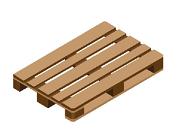
Possibility of preparing palletized loads per buyer and destination requirements. When wooden pallets are used in international operations, they must comply with applicable phytosanitary requirements, including ISPM 15 when appropriate.
Evaluation of alternatives to combine different products in a logistical operation, provided load compatibility, documentation, storage conditions, and transport requirements allow it.
Supply alternatives for different industries and commercial channels.
Dry beans for processing plants of canned goods, canned products, and prepared foods. Size, hydration, and processing behavior parameters are specified per industrial requirements.
Supply alternatives for distributors and retail chains, with the possibility of inquiring about direct sales formats and private label options.
Presentations destined for gastronomic distributors, restaurants, hotels, catering, and institutional kitchens.
Inquiry into pulses for flour production, ingredients, food blends, and other processed products, per technical specifications of each industry.
Inquiry into mung beans for sprouting applications. When end use requires it, germination parameters must be agreed upon and verified via specific analyses.
Sourcing of Argentine alternatives for importers, wholesale distributors, and international operators, with volume negotiation, commercial conditions, and Incoterms per each operation.
Looking for other Argentine pulses? Explore our sourcing options for Chickpeas, Lentils, or Peas.
Requirements that can be evaluated with involved suppliers and operators, per product and destination market.
Note: Austral Seeds does not present these certifications as its own. Their applicability, validity, and availability must be verified via documentation with each supplier, plant, or competent body. The phytosanitary certificate, when applicable, is processed through the official competent authority and is subject to compliance with applicable requirements.
Commercial information for international importers and wholesale buyers.
Inquiries can include black, alubia or white, red, and other bean varieties. It is also possible to inquire about alternatives such as mung and adzuki beans. Effective availability depends on the crop year, supplier, requested volume, and required commercial specifications.
Zones linked to Argentine pulse production include provinces in the NOA and central region, such as Salta, Santiago del Estero, Tucumán, Catamarca, and Córdoba. Concrete origin must be documented for each lot and operation.
The agricultural calendar depends on variety, region, weather conditions, and crop year. Planting and harvest dates are not identical across zones or varieties. For a commercial operation, production cycle, crop year, and lot availability are confirmed with the supplier.
Net quantity depends on variety, density, packaging type, load distribution, maximum authorized weight, and land/sea transport restrictions. Therefore, weight per container must be confirmed in the quotation and loading plan, rather than assuming a fixed quantity for all operations.
25 or 50 kg polypropylene bags, big bags, and retail formats can be inquired about. Availability of each presentation, liner options, printing, private label, and palletization is verified with the supplier before order confirmation.
Availability of representative samples and associated technical documentation can be inquired about. Feasibility of shipping, cost, sample type, and transport conditions must be agreed upon with the supplier and buyer.
Depending on product and destination, operations may require commercial invoice, packing list, transport document, certificate of origin, phytosanitary certificate, and other specific documents or analyses. Requirements are verified for each country and operation.
Austral Seeds is an export broker. Certifications related to production, processing, or conditioning correspond to suppliers or plants performing those activities. When a buyer demands certification, its availability and documentary validity are evaluated with the corresponding supplier.
Quotations under FOB, CFR, or CIF conditions can be evaluated, per operation scope, loading port, destination, and available logistical services. Definitive terms are established in the commercial offer and contract.
Controls must be defined per product, destination country, and contractual conditions. They may contemplate inspection, sampling, laboratory analysis, and phytosanitary treatments when required and authorized. Any treatment must be performed by authorized operators, with products, procedures, and documentation admitted by applicable regulations.
Send us the product, specification, volume, packaging, destination port and Incoterm. We reply within 24 hours and quote within 48 to 72 hours on FOB, CFR or CIF terms. You contract with the Argentine supplier, who is the exporter of record, and we coordinate the deal through to shipment.
Yes. The minimum order is one 20 ft container. Available formats: 25 and 50 kg PP bags, big bags, retail packs and private label, in 20 ft FCL containers. Larger volumes are quoted as several containers.
Orders from one 20 ft container, on FOB, CFR or CIF terms
Product, specification, volume, packaging, destination port and Incoterm.
We check which Argentine suppliers can meet your order and ask for any missing details.
FOB, CFR or CIF price with the preliminary specification. Samples and the certificate of analysis depend on each supplier.
You contract with the Argentine supplier, who is the exporter of record. We coordinate documents and follow the shipment from the Argentine port agreed with the supplier. More in our sourcing process.
Send us your operation requirements to evaluate supply alternatives and commercial conditions.